
zenyic

Author name: admin

what is online advertising
ads

What is an Ad and Why is It Important for Business Growth?

Introduction what is online advertising? In today’s competitive digital world, businesses need effective ways to reach potential customers and promote their products or services. One of the most powerful methods is advertising, commonly known as ads. Whether you see a sponsored post on Instagram, a video before a YouTube clip, or a search result marked as “Sponsored” on Google, you’re interacting with advertisements. Ads help businesses increase visibility, generate leads, boost sales, and build brand awareness. In this blog, we’ll explore what ads are, how they work, and why they are important for businesses in the digital age. What is an Ad? what is online advertising? An advertisement (Ad) is a paid promotional message created by a business, brand, or individual to attract attention and encourage a specific action from a target audience. The goal of an ad may include: Promoting a product Increasing website traffic Generating leads Driving sales Building brand awareness Encouraging app downloads Growing social media followers Ads can appear on various platforms, including search engines, websites, social media, mobile apps, television, radio, and print media. How Do Ads Work? Advertising platforms allow businesses to display their promotional content to specific audiences based on factors such as: Age Gender Location Interests Online behavior Search intent For example, if someone searches for “best digital marketing course”, Google may display sponsored advertisements related to digital marketing training programs. what is online advertising? This targeted approach helps businesses reach people who are most likely to be interested in their offerings. Types of Advertising 1. Search Engine Ads what is online advertising? Search ads appear on search engines like Google and Bing when users search for specific keywords. Example: Digital Marketing Course SEO Services Website Development Company These ads target users with high purchase intent. 2. Social Media Ads Social media platforms provide powerful advertising opportunities. Popular platforms include: Facebook Ads Instagram Ads LinkedIn Ads X (Twitter) Ads Pinterest Ads TikTok Ads These ads help businesses engage with highly targeted audiences. 3. Display Ads Display ads use images, banners, or graphics shown across websites and mobile applications. Their primary purpose is: Brand awareness Retargeting visitors Increasing visibility 4. Video Ads Video advertising is becoming increasingly popular due to higher engagement rates. Examples include: YouTube Ads Instagram Reels Ads Facebook Video Ads Video content often delivers messages more effectively than text or images alone. 5. Native Ads Native advertisements blend naturally with the platform’s content and user experience. Examples include: Sponsored articles Recommended content sections Promoted posts Native ads are often less intrusive and generate better engagement. 6. Remarketing Ads Remarketing targets users who have previously visited your website or interacted with your business. These ads help: Recover abandoned carts Increase conversions Improve customer retention Why Are Ads Important? 1. Increase Brand Awareness what is online advertising? Advertising introduces your business to new audiences and helps people recognize your brand. The more often users see your business, the more familiar and trustworthy it becomes. 2. Generate Quality Leads Targeted advertising helps businesses reach potential customers who are genuinely interested in their products or services. This leads to: Better lead quality Higher engagement Improved conversion rates 3. Drive Sales and Revenue One of the main objectives of advertising is increasing sales. Effective ad campaigns can: Attract customers Promote offers Encourage purchases Increase revenue 4. Reach the Right Audience Modern advertising platforms provide advanced targeting options. Businesses can target audiences based on: Demographics Interests Behaviors Geographic location Purchase intent This improves campaign efficiency and reduces wasted spending. 5. Deliver Faster Results Unlike some marketing strategies that take months to produce results, advertising can generate traffic, leads, and sales almost immediately after a campaign launches. 6. Support Business Growth Advertising helps businesses: Expand market reach Launch new products Enter new markets Increase customer acquisition As businesses grow, advertising becomes a critical component of their marketing strategy. 7. Stay Ahead of Competitors Many businesses actively invest in advertising. Without a strong advertising strategy, competitors may capture potential customers before they discover your brand. Benefits of Digital Advertising Measurable Results Digital advertising provides detailed analytics, including: Clicks Impressions Conversions Cost per click (CPC) Return on ad spend (ROAS) Flexible Budgeting Businesses can start with small budgets and scale campaigns based on performance. Precise Targeting Reach specific audiences rather than broad, untargeted groups. Real-Time Optimization Campaigns can be adjusted instantly to improve performance. Higher ROI Well-optimized campaigns often generate a strong return on investment compared to traditional advertising methods. Advertising vs Organic Marketing Advertising Organic Marketing Paid traffic Free traffic Immediate visibility Long-term growth Faster results Slower results Budget required Time investment required Easy audience targeting Relies on SEO and content The most successful businesses often combine both strategies for maximum results. Common Advertising Metrics To measure ad performance, marketers track key metrics such as: Impressions The number of times an ad is displayed. Clicks The number of users who clicked on the ad. CTR (Click-Through Rate) Percentage of users who clicked after seeing the ad. CPC (Cost Per Click) Amount paid for each click. Conversion Rate Percentage of users who completed a desired action. ROAS (Return on Ad Spend) Revenue generated from advertising compared to advertising costs. Best Practices for Successful Ads To improve advertising performance: Define clear goals Understand your target audience Create compelling ad copy  Use high-quality visuals Include strong calls-to-action (CTAs) Monitor campaign performance Test different ad variations Optimize regularly   These practices help maximize results while minimizing costs. Conclusion what is online advertising? Advertising is a powerful marketing tool that helps businesses reach new customers, increase brand awareness, generate leads, and drive sales. With advanced targeting options, measurable performance data, and scalable budgets, digital advertising has become an essential part of modern business growth. Whether you’re a startup, small business, or large enterprise, investing in well-planned advertising campaigns can help you achieve your marketing goals faster and more effectively. When combined with SEO, content marketing, and social media strategies, advertising becomes a key driver of long-term business success. Frequently Asked Questions (FAQs) What is
seo

What is SEO and Why is It Important for Your Business?

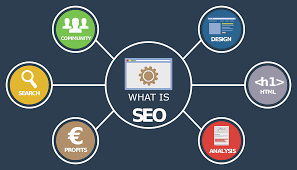
Introduction In today’s digital landscape, simply having a website is not enough. With millions of websites competing for attention, businesses need a way to stand out and reach their target audience. This is where SEO (Search Engine Optimization) plays a crucial role. SEO helps websites rank higher on search engines like Google, Bing, and Yahoo, making it easier for potential customers to find your products, services, or content. Whether you’re a small business owner, blogger, or digital marketer, understanding SEO is essential for building a strong online presence. In this guide, we’ll explore what SEO is, how it works, and why it’s one of the most important digital marketing strategies for long-term growth. What is SEO? SEO (Search Engine Optimization) is the process of optimizing a website and its content to improve its visibility in search engine results pages (SERPs). The goal of SEO is to increase organic (non-paid) traffic by helping search engines understand your content and determine its relevance to users’ search queries. For example, if someone searches for: Search engines analyze millions of pages and display the most relevant results. SEO helps your website become one of those results. How Does SEO Work? Search engines use automated programs called crawlers or bots to discover and analyze web pages. The SEO process generally involves three key steps: 1. Crawling Search engines scan websites and discover new content. 2. Indexing The discovered content is stored in a massive database known as an index. 3. Ranking Search engines evaluate hundreds of ranking factors to determine which pages should appear first for specific searches. These factors include: Types of SEO 1. On-Page SEO On-page SEO focuses on optimizing elements within your website. Examples include: Example: Using the keyword “digital marketing services” naturally throughout a page. 2. Off-Page SEO Off-page SEO involves activities outside your website that improve authority and credibility. Examples include: The more trusted websites link to your content, the more authority your site gains. 3. Technical SEO Technical SEO focuses on improving website performance and crawlability. Key elements include: Technical SEO ensures search engines can efficiently access and understand your website. 4. Local SEO Local SEO helps businesses appear in location-based searches. Examples: Local SEO strategies include: Why is SEO Important? 1. Increases Organic Traffic SEO helps your website appear in search results when users actively search for information, products, or services. Higher rankings lead to more visitors without paying for every click. 2. Builds Trust and Credibility Users tend to trust websites that rank on the first page of Google. Strong SEO practices help establish authority and improve brand reputation. 3. Provides Long-Term Results Unlike paid advertising, SEO can continue generating traffic long after content is published. A well-optimized page can attract visitors for months or even years. 4. Improves User Experience SEO isn’t just about search engines. It also focuses on: These improvements enhance the overall user experience. 5. Generates High-Quality Leads People searching on Google usually have specific intent. For example: These users are often closer to making a purchase decision, resulting in higher conversion rates. 6. Cost-Effective Marketing Strategy Compared to traditional advertising and paid campaigns, SEO offers a better long-term return on investment. Once rankings improve, businesses can receive consistent traffic without ongoing advertising costs. 7. Helps You Stay Competitive Your competitors are likely investing in SEO. Without an SEO strategy, your website may struggle to compete in search results and lose potential customers. Key Benefits of SEO for Businesses Increased Website Visibility Appear in front of users actively searching for your offerings. Higher Brand Awareness More search visibility means more people become familiar with your brand. Better Conversion Rates Target users with high purchase intent. Improved Website Performance SEO encourages faster, more user-friendly websites. Sustainable Growth Generate consistent traffic and leads over time. Essential SEO Ranking Factors Search engines consider numerous factors when ranking websites, including: Quality Content Content should be informative, relevant, and valuable. Keyword Optimization Use relevant keywords naturally throughout your content. Backlinks Links from authoritative websites improve credibility. Page Speed Faster websites provide a better user experience. Mobile-Friendliness A responsive website is essential for modern users. User Experience (UX) Easy navigation and readability contribute to better rankings. Search Intent Content should satisfy what users are actually searching for. Common SEO Mistakes to Avoid Many beginners make mistakes that can negatively impact rankings. Avoid: Following SEO best practices helps maintain strong search visibility. SEO vs Paid Advertising SEO Paid Advertising (PPC) Organic traffic Paid traffic Long-term results Immediate results Lower long-term cost Ongoing ad spend Builds authority Stops when budget ends Higher trust factor Marked as advertisements Both strategies can work together, but SEO often provides greater long-term value. Conclusion SEO is one of the most powerful digital marketing strategies for increasing website visibility, attracting targeted traffic, and growing a business online. By optimizing your website for search engines and users, you can improve rankings, build credibility, and generate sustainable results over time. Whether you’re running a blog, local business, e-commerce store, or digital marketing agency, investing in SEO can help you reach the right audience and stay ahead of the competition. The earlier you start implementing SEO best practices, the stronger your online presence will become. Frequently Asked Questions (FAQs) What does SEO stand for? SEO stands for Search Engine Optimization, the process of improving a website’s visibility in search engine results. Why is SEO important for businesses? SEO helps businesses attract organic traffic, generate leads, increase brand awareness, and improve online visibility. How long does SEO take to show results? SEO typically takes 3–6 months to show noticeable results, depending on competition and strategy. Is SEO better than paid ads? SEO provides long-term organic growth, while paid ads deliver immediate traffic. Many businesses use both together. Can I do SEO myself? Yes. Beginners can learn and implement basic SEO practices, while advanced strategies may require professional expertise.

zenyic

What is WordPress and Why Should You Use It?

Introduction In today’s digital world, having a website is essential for businesses, bloggers, freelancers, and entrepreneurs. Whether you want to start a blog, create a business website, launch an online store, or build a portfolio, choosing the right platform is crucial. One name that consistently stands out is WordPress. WordPress powers over 40% of all websites on the internet, making it the world’s most popular Content Management System (CMS). But what exactly is WordPress, and why do millions of users trust it for their online presence? In this blog, we’ll explore what WordPress is, its key features, and why it’s an excellent choice for building websites. What is WordPress? WordPress is a free and open-source Content Management System (CMS) that allows users to create, manage, and customize websites without requiring advanced coding knowledge. Initially launched in 2003 as a blogging platform, WordPress has evolved into a powerful website-building solution capable of creating: WordPress provides a user-friendly dashboard where you can manage content, upload media, install themes, and add functionality through plugins. Types of WordPress Many beginners get confused between WordPress.com and WordPress.org. 1. WordPress.org (Self-Hosted) 2. WordPress.com For businesses and marketers, WordPress.org is generally the preferred option because of its flexibility and scalability. Key Features of WordPress 1. Easy to Use WordPress offers a beginner-friendly interface that makes website management simple. You can create pages, publish blogs, and update content without technical expertise. 2. Highly Customizable With thousands of themes and plugins available, WordPress allows users to customize the appearance and functionality of their websites according to their needs. 3. SEO-Friendly WordPress is designed with clean code and SEO-friendly structures. Additionally, plugins like: help optimize content for better search engine rankings. 4. Mobile Responsive Most modern WordPress themes are mobile-friendly, ensuring a seamless user experience across devices. 5. Secure and Reliable Regular updates and security plugins help protect WordPress websites from vulnerabilities and cyber threats. 6. Scalable Platform Whether you’re running a personal blog or a large e-commerce store, WordPress can scale with your business growth. Why Should You Use WordPress? 1. Cost-Effective Solution WordPress itself is free to use. You only need to invest in: This makes it an affordable solution for startups and small businesses. 2. Perfect for Content Marketing For digital marketers, content is king. WordPress makes content creation and management effortless through: These features help businesses maintain a strong content marketing strategy. 3. Excellent SEO Capabilities Search engine optimization is essential for online visibility. WordPress provides: These features help improve search rankings and organic traffic. 4. Thousands of Plugins Plugins extend the functionality of your website without coding. Popular plugins include: 5. Strong Community Support WordPress has one of the largest communities worldwide. You’ll find: This makes troubleshooting and learning much easier. 6. E-commerce Ready With WooCommerce, WordPress can be transformed into a powerful online store. You can: All from a single dashboard. 7. Full Ownership of Your Website Unlike some website builders, WordPress gives you complete control over your website, content, and data. You are not locked into a specific platform or provider. Benefits of WordPress for Digital Marketing Digital marketers prefer WordPress because it supports: Better SEO Optimized website structure helps improve search engine visibility. Lead Generation Use forms, landing pages, popups, and CRM integrations to capture leads. Analytics Integration Connect Google Analytics, Google Search Console, and other tracking tools easily. Marketing Automation Integrate with: to automate marketing campaigns. Faster Content Publishing Regular blogging becomes easier with WordPress’s content management features. Who Should Use WordPress? WordPress is ideal for: Whether you’re a beginner or an experienced developer, WordPress offers tools that suit all skill levels. Conclusion WordPress has become the leading website-building platform because of its flexibility, ease of use, affordability, and powerful customization options. From blogging and business websites to advanced e-commerce stores, WordPress provides everything needed to establish a successful online presence. For digital marketers, WordPress offers exceptional SEO capabilities, content management tools, and marketing integrations that help drive traffic, generate leads, and grow businesses effectively. If you’re planning to build a website that is scalable, SEO-friendly, and easy to manage, WordPress remains one of the best choices available today. Frequently Asked Questions (FAQs) Q1. Is WordPress free to use?Yes, WordPress software is free. However, you’ll need hosting and a domain name. Q2. Do I need coding knowledge to use WordPress?No. Most WordPress websites can be built without coding using themes and page builders. Q3. Is WordPress good for SEO?Yes. WordPress is considered one of the most SEO-friendly website platforms. Q4. Can I create an online store with WordPress?Yes. Using WooCommerce, you can create a fully functional e-commerce website. Q5. Why is WordPress so popular?Its flexibility, ease of use, large plugin ecosystem, and strong community support make it the preferred choice for millions of website owners worldwide.

Scroll to Top